

Are you in search of some awesome team building activities for your workplace?
As a busy leader, finding engaging and impactful exercises for your employees may be challenging. With so many options available, it can be tough to decide where to start.
In this article, let’s see 50 awesome activities for team building and explore how to use them effectively in your workplace.
So, let’s get started!
50 Awesome Team Building Activities (Workplace)
Here are some of the easy and awesome team building activities for your employees that you can try in the workplace.
Under the name of each activity, its main objectives are provided. So, you can quickly identify the suitable ones based on your need.
Plus, each activity includes a debrief section that will help you lead a productive discussion.
Team Building Activities for New Hires
| ||
| Activity (Clickable) | Duration | Objective |
| Questions Circle
| 10-15 minutes | Generating conversation, and getting to know each other
|
| Table Talk | You decide | Get to know each other and build relationships |
| Speed Networking | 10-20 minutes | Sparking meaningful connections, encouraging open dialogue, and fostering community
|
| Would You Rather | 10-15 minutes | Breaking the ice, and getting to know each other
|
| Empathy Game | 10-15 minutes
| Developing empathy, respecting different perspectives, and building trust
|
| Team Goal Setting | You decide
| Establishing team goals, encouraging accountability, and fostering trust
|
Soft Skills Team Building Activities
| ||
| Activity (Clickable) | Duration | Objective |
| Message Mashup | 10-15 minutes
| Developing communication & listening skills, and fostering collaboration |
| The Great Debate | You decide
| Communication, conflict resolution, and critical thinking |
| Shared Values Exercise | You decide
| Building trust, improving communication, and understanding each other
|
| Word Association | 5-10 minutes
| Encouraging creative thinking and problem-solving |
| Escape Room Challenge | You decide
| Problem-solving, collaboration, and decision-making |
| Minute to Win It
| 5-15 minutes | Promoting healthy competition and problem-solving
|
| Story with a Twist
| 15-20 minutes | Improving adaptability, and coping with change |
Team Building Activities for Leadership Development
| ||
| Activity (Clickable) | Duration | Objective |
| Leadership Pizza | 10-20 minutes | Self-assessment, leadership development, and personal growth |
| Simulated Crisis Management | You decide
| Decision-making, communication, and teamwork skills under pressure
|
| Decision Makers United | You decide
| Decision-Making, Communication, and Leadership |
| SWOT Analysis | You decide
| Strategic planning, critical thinking, and problem solving |
| Fishbowl Discussion
| You decide | Communication, problem-solving, and decision-making
|
| Reverse Brainstorming | You decide
| Strategic planning, problem-solving, and innovation |
| Adaptive Planning
| You decide
| Improving adaptability, managing change, and strategy development |
Physical Team Building Activities
| ||
| Activity (Clickable) | Duration | Objective |
| Secret Handshake Challenge | 10-15 minutes
| Developing trust and understanding between colleagues
|
| Team Volunteering | You decide
| Demonstrating ethical values, and developing empathy |
| Destination Unknown Hunt
| You decide
| Problem solving, decision making, and team collaboration
|
| Cooking Competition | You decide | Encouraging collaboration and creativity
|
| All Aboard | 10-20 minutes | Adaptability, problem-solving, and teamwork |
| Change Your Seats
| 5 minutes | Encouraging new perspectives, and change management |
Virtual Team Building Activities
| ||
| Activity (Clickable) | Duration | Objective |
| Cultural Appreciation Day | You decide
| Getting to know each other, cultural understanding, and diversity, equity, & inclusion
|
| Language Practice | 10-15 minutes | Practicing communication, and promoting DEI |
| Show and Tell | 10-15 minutes
| Active listening, trust building, and emotional intelligence
|
| Mock Trade Game | Flexible | Negotiation, collaboration, and strategic thinking
|
| Happy Hour Joke | Flexible
| Team bonding, stress relief, and positivity
|
| Power Pose | 5-10 minutes | Confidence building and stress reduction |
Hybrid Team Building Activities
| ||
| Activity (Clickable) | Duration | Objective |
| Don’t Answer it
| 5-15 minutes | Creative thinking, communication, and active listening |
| Charades | 10-20 minutes | Practicing communication and listening, and fostering collaboration |
| Ranking Race | 10-20 minutes | Critical thinking, collaboration, and decision-making
|
| Brain Mapping | 10-20 minutes | Strategic planning, collaboration, and problem-solving |
| A 90 Second Pitch | 10-15 minutes
| Public speaking, concise communication, and persuasive presentation |
| Change Readiness Assessment | You decide
| Adapting to change, reducing resistance, and building resilience
|
Team Building Activities for Small Groups
| ||
| Activity (Clickable) | Duration | Objective |
| Challenging Numbers | 10-20 minutes | Memory retention, focus, and teamwork |
| Narrative Nexus
| 10-15 minutes | Thinking creatively, expanding communication skills, and inspiring team collaboration
|
| Customer Journey Mapping
| 10-20 minutes | Empathy, collaboration, and critical thinking |
| The Mistake List | 10-15 minutes | Accountability, growth mindset, and continuous learning
|
| King, Queen, Cop, and Thief
| 5-15 minutes | Creative thinking, communication, and problem-solving |
| Marshmallow Challenge | 10-20 minutes | Creativity, strategic planning, and problem-solving
|
Team Building Activities for Large Groups
| ||
| Activity (Clickable) | Duration | Objective |
| Silent Line-Up | 10-15 minutes
| Nonverbal communication, active listening, and get to know each other |
| Diversity Poll | 5-15 minutes | Adaptability, empathy, and respecting different viewpoints |
| The “Word Cloud” Vision Board | 10-20 minutes
| Collaboration, creative thinking, and vision alignment |
| Plant-a-Tree | Flexible | Sustainability, collaboration, and social responsibility
|
| Fitness Challenge | 10-20 minutes
| Collaboration, productivity, and strategic planning |
| Office Flash Mob
| Flexible | Creativity, motivation, and stress relief |
So, let’s go!
Team Building Activities for New Hires
Welcoming new hires with team building activities is a great way to foster connections and set the tone for their new role. These exercises help new employees build relationships, understand company culture, and feel more comfortable in their new environment. So, here are some helpful exercises you can try.
#1. Questions Circle
Objective: Generating conversation, and getting to know each other
This is one of the icebreakers that promotes discussion and communication among the group.
Time: 10-15 minutes
Materials: None
Participants: 5-10 people per group
Instructions
- Start by asking a question to one group member and encourage them to answer it. For instance, “What is your favorite hobby?”
- Now, the person to their right must answer the same question.
- Continue the cycle until everyone has answered the same question.
- Then, move on to a different question that is more challenging like, “What motivates you to come to work every day?”
Debrief
Discuss how this exercise contributed to fostering communication among group members and helped strengthen relationships between them. Encourage employees to continue open communication and discussion in the workplace.
You can also read:
10 Indoor Team Building Activities for Your Employees
10 Outdoor Team Building Activities for Your Employees
25 Best Team Building Books for Managers and Leaders
#2. Table Talk
Objective: Get to know each other and build relationships
Savor the flavor of connection and build stronger relationships with your team members over a meal. This activity encourages conversation and shared interests in a relaxed atmosphere, helping to foster a sense of camaraderie and teamwork.
Time: You decide
Materials: Snacks or a meal to share, a table or seating area, and fun conversation starters or questions
Participants: 3-8 people per group
Instructions
- Gather your team around the table to let the good food conversation flow!
- Kick-start the conversation by sharing your favorite food memories or asking team members to do the same.
- Spice things up with a fun culinary question, like “What’s the most adventurous food you’ve ever tried?” or “What’s your go-to comfort food?”
- Encourage light-hearted chatter, ensuring everyone is included.
Debrief
Discuss how sharing meals helps build trust among team members. Reflect on how informal settings like team lunches positively impact teamwork in the workplace, carrying forward into the work environment.
#3. Speed Networking
Objective: Sparking meaningful connections, encouraging open dialogue, and fostering community
Spark meaningful connections and encourage open dialogue among team members by facilitating rapid interactions. This activity promotes the exchange of ideas and fosters a sense of community in a dynamic setting.
Time: 10-20 minutes
Materials: Timer or stopwatch, and a list of discussion topics (optional)
Participants: 3-8 people per group
Instructions
- Pair up participants for short, timed conversations.
- Introduce a thought-provoking question or topic to guide the discussion.
- Signal the transition and have participants move to a new partner.
- Continue rotating until everyone has had a chance to interact with most of the group.
Debrief
Invite participants to share interesting insights or observations from their conversations. Explore how this fast-paced networking opportunity helped build connections and strengthen relationships within the team.
#4. Would You Rather
Objective: Breaking the ice, and getting to know each other
This classic activity helps employees connect with others by asking questions in a fun and engaging way.
Time: 10-15 minutes
Materials: None
Participants: 2 or more individuals per group
Instructions
- Divide the participants into groups.
- Ask each group a “Would You Rather” question that has two possible answers. For example, “Would you rather skydive or go bungee jumping?”
- Each group member must pick one answer and explain why they chose it.
- Finally, each group can discuss which answer was the most popular.
Debrief
During the debrief, ask the participants to reflect on the activity and identify any differences in opinions. Also, discuss how understanding each other’s perspectives can help them work together better as a team.
#5. Empathy Game
Objective: Developing empathy, respecting different perspectives, and building trust
This team building game helps employees to develop empathy and understanding among their colleagues.
Time: 10-15 minutes
Materials: Set of cards with different emotions written on them
Participants: Any number of members per team
Instructions
- Give each team member a card with an emotion written on it.
- Have the members take turns expressing the emotion written on their cards.
- Ask them to give an example of a situation where they have felt that emotion.
- Then, each team should discuss their different perspectives.
Debrief
Talk about how this activity helped the teams to understand each other’s perspectives better. Also, emphasize the importance of empathy and trust building in a work setting.
#6. Team Goal Setting
Objective: Establishing team goals, encouraging accountability, and fostering trust
This is one of the fantastic team building activities that encourages employees to set achievable goals while building trust.
Time: You decide
Materials: None
Participants: Any number of people in a team
Instructions
- Ask each team to establish a collective goal. It could be anything from fundraising for a charity to developing a new product.
- Now, they should discuss what each member’s role will be in achieving the goal.
- Then, each member should come up with a personal goal that directly contributes to the team’s overall mission.
Debrief
Discuss how the activity enabled the team to take ownership of their shared goal and how the individual goals fit into the bigger picture. Also, talk about the importance of building trust and accountability through teamwork.
Soft Skills Team Building Activities
Team building exercises focused on soft skills can help employees develop essential qualities like communication, collaboration, and problem-solving. These exercises are designed to enhance interpersonal relationships, improve teamwork, and boost overall performance. Here are some effective activities to develop soft skills.
#7. Message Mashup
Objective: Developing communication & listening skills, and fostering collaboration
This is one of the classic team building exercises for communication. It helps participants learn to listen and remember information accurately while fostering collaboration.
Time: 10-15 minutes
Materials: None
Participants: Any number of people
Instructions
- Have the group form a line and pass a message from one end to the other. For example, “The purple elephant ate a delicious sandwich at the zoo yesterday, and then it went to the beach. Three friendly dolphins joined the elephant for a swim in the ocean.”
- The first person says the phrase to the second person.
- Then, the second person says it to the third person, and this process continues.
- Finally, ask the last person to say the phrase out loud, and compare it to the original phrase.
Debrief
Discuss how a single miscommunication can alter the entire phrase. Plus, highlight the importance of clear communication and collaboration in the workplace.
You can also read:
10 Soft Skills Team Building Activities (With Debrief)
10 Printable Team Building Activities for Work
#8. The Great Debate
Objective: Communication, conflict resolution, and critical thinking
This is an excellent activity that helps employees learn how to effectively listen and respond to opposing perspectives.
Time: You decide
Materials: None
Participants: Need at least 2 teams of any size
Instructions
- Choose a topic or current issue related to the team’s area of work. For example, “Should the company invest in new equipment?”
- One team can debate in favor of the statement, and the other team against it.
- Give each team enough time to come up with arguments and rebuttals.
- Finally, have each team present their argument and allow for open discussion between both sides.
Debrief
Discuss the importance of expressing contrasting opinions while maintaining respect and understanding. Also, highlight how this activity can help employees explore different viewpoints while learning how to collaborate and compromise.
#9. Shared Values Exercise
Objective: Building trust, improving communication, and understanding each other
In this activity, groups can understand the values they share and use them to build relationships.
Time: You decide
Materials: Paper and pen
Participants: Any number of individuals in a group
Instructions
- Let each group brainstorm a few values that are important to them as a whole.
- Then, they should figure out ways to implement these values into their team dynamics. For example, if a group values “transparency” they could agree to always be open and honest with each other.
- Each group should write their ideas on paper. Then, they can share the paper with the other groups.
Debrief
Lead a discussion on the importance of shared values and how they can shape team dynamics. Also, highlight the importance of accountability and trust in the workplace.
#10. Word Association
Objective: Encouraging creative thinking and problem-solving
This is one of the amazing team building games that helps employees think outside the box and quickly solve problems.
Time: 5-10 minutes
Materials: Paper and pen
Participants: 4-7 people in a group
Instructions
- Initially, instruct the teams that they have only 3 minutes to complete the game.
- Each team must form a circle and one member should write a word related to the company on paper. For example, “customer”.
- Now, they can pass the paper to the person sitting right to them who must write a word associated with the first one. For example, in response to “customer”, they might write “satisfaction”.
- Let the game continues until the time is up and see which team wrote more words.
Debrief
Discuss how creative thinking and problem solving skills can help increase productivity in the workplace. Plus, explore the importance of communication and collaboration within a group.
#11. Escape Room Challenge
Objective: Problem-solving, collaboration, and decision-making
This exercise will test the team’s problem-solving skills while trying to escape from a ‘locked room’.
Time: You decide
Materials: A locked room or area with puzzles, clues, etc.
Participants: Teams of 4-6 people
Instructions
- Set up a locked room or area with puzzles, clues, and questions.
- Each team must find the answers to the puzzles in order to escape.
- Give them some time to complete this challenge.
Debrief
Figure out how the employees worked together to solve the puzzles, and which strategies were effective. Talk about how collaboration can help them tackle certain challenges in the workplace.
#12. Minute to Win It
Objective: Promoting healthy competition and problem-solving
This is one of the amazing team building activities that challenges employees to complete a series of tasks within a minute.
Time: 5-15 minutes
Materials: Variety of everyday items like cups, balloons, straws, etc.
Participants: Groups of 4-6 people
Instructions
- Give each group the same set of materials.
- Set up a series of tasks that groups must complete within a minute. For example, build a tower of cups within one minute.
- The group that completes the tasks the fastest wins.
- Give small prizes to the winning group.
Debrief
Identify the different strategies each group used to complete the tasks, and which were most successful. Talk about how healthy competition can be beneficial in the workplace.
#13. Story with a Twist
Objective: Improving adaptability, and coping with change
In this exercise, employees should tell a story in different ways based on prompts or changes given by the facilitator.
Time: 15-20 minutes
Materials: Story prompt or sheet of paper with instructions
Participants: Groups of 4-5 people
Instructions
- Give each group the same story prompt. For example, writing about how a group of friends went camping.
- Ask them to create an outline or structure for their story and start telling the story.
- Every few minutes, give the story a twist or ask them to change something in their narrative. For instance, adding a zombie apocalypse into the camp narrative.
- Encourage all participants to contribute ideas and adjust their story accordingly.
Debrief
Discuss the importance of being able to react and adjust quickly to unexpected changes. Also, explain why adaptability is crucial in the current business climate.
Team Building Activities for Leadership Development
Leadership development is crucial for organizational success. Team building activities can play a significant role in cultivating leadership skills. Here are some effective exercises to try.
#14. Leadership Pizza
Objective: Self-assessment, leadership development, and personal growth
Facilitate a private and honest self-assessment of core leadership skills. This activity provides a visual snapshot of individual strengths and areas for development.
Time: 10-20 minutes
Materials: Paper, pens, or digital whiteboard template
Participants: 3-8 people per group
Instructions
- Create a circular diagram and segment it into eight distinct areas, each representing a key leadership skill such as Communication, Problem-Solving, or Strategic Thinking.
- Ask team members to evaluate their proficiency level in each area, using a scale of 1-10 to reflect their current abilities.
- Have them color or shade each segment according to their rating, creating a visual representation of their leadership strengths and weaknesses.
- Invite participants to analyze their diagram, highlighting areas where they excel and those that require improvement.
Debrief
Discuss how your team can collectively leverage individual strengths and work on areas for improvement to enhance overall leadership effectiveness. Identify opportunities for team members to support each other in developing their leadership skills.
#15. Simulated Crisis Management
Objective: Decision-making, communication, and teamwork skills under pressure
Develop decision-making, communication, and teamwork skills under pressure by simulating a real crisis scenario. This activity challenges participants to think critically and respond effectively in a high-pressure situation.
Time: You decide
Materials: None (But it’s up to you)
Participants: Groups of any size
Instructions
- Present a realistic crisis scenario to participants, such as a natural disaster, cybersecurity breach, or product recall. Next, have them assume their roles and responsibilities.
- Set a specific time frame for the simulation and initiate the crisis scenario through timed updates, role-playing, or simulated media reports.
- Create a sense of urgency or pressure, encouraging participants to make decisions and respond as they would in a real crisis.
- Allow participants to navigate the scenario, making decisions and communicating with team members to mitigate the crisis.
Debrief
Discuss the challenges participants faced, the decisions they made, and the outcomes of those decisions. Identify key takeaways along with areas for improvement in crisis management, decision-making, and teamwork.
#16. Decision Makers United
Objective: Decision-Making, Communication, and Leadership
Foster leadership and collaboration among employees by tackling a real-life scenario. This activity hones key skills that drive team success.
Time: You decide
Materials: Paper and pen
Participants: Groups of any size
Instructions
- Divide participants into teams and present a scenario that requires a collective decision. For instance, they might need to resolve a customer complaint or manage a team conflict.
- Emphasize the importance of collaborative decision-making and encourage teams to focus on effective communication and teamwork.
- Allow teams sufficient time to discuss and decide on a solution.
- End the activity and prepare teams to share their decisions.
Debrief
Discuss the decision-making processes used by each team, highlighting successful strategies and areas for improvement. Explore the role of active listening, empathy, and effective communication in reaching a consensus.
#17. SWOT Analysis
Objective: Strategic planning, critical thinking, and problem solving
This team building activity encourages employees to do a SWOT Analysis for a given problem.
Time: You decide
Materials: Paper and pen
Participants: Whole department
Instructions
- Give each group a scenario or a problem related to their work or current project. For example, how to increase sales?
- Ask them to analyze the problem from four different viewpoints: strengths, weaknesses, opportunities, and threats.
- Provide a set amount of time for each group to discuss their findings and questions they have about the situation.
- Finally, have each group share their findings and discuss potential solutions to the problem.
Debrief
Encourage the employees to provide feedback on their experience. Moreover, discuss the importance of problem solving and strategic planning in the workplace.
#18. Fishbowl Discussion
Objective: Communication, problem-solving, and decision-making
This activity encourages teams to engage in meaningful discussion and come up with creative solutions.
Time: You decide
Materials: None
Participants: Minimum 4 members in a team
Instructions
- Give each team a topic or problem related to their work or current project. For example, how to increase customer satisfaction?
- Ask them to form two circles; an inner circle and an outer circle. The inner circle engages in a discussion and the outer circle remains silent.
- Every few minutes, rotate the members of the inner and outer circles.
- Finally, have each team share potential solutions to the problem.
Debrief
Discuss what solutions were proposed, and which ones seemed most feasible. Moreover, discuss the importance of collaborative decision making in the workplace.
#19. Reverse Brainstorming
Objective: Strategic planning, problem-solving, and innovation
This exercise requires employees to brainstorm ways to prevent a problem from happening rather than finding solutions after it has occurred.
Time: You decide
Materials: Paper and pen
Participants: Whole department
Instructions
- Give each group a problem related to their work or current project. For example, how to reduce customer complaints?
- Ask them to brainstorm ways of preventing the problem from occurring in the first place.
- After they have come up with ideas, let them discuss the most effective strategies.
- Each group should decide on the two most effective solutions.
Debrief
Discuss how groups worked together to create innovative solutions and identify strategies that can be adopted in future projects. Encourage group members to provide feedback on their experience with the activity.
#20. Adaptive Planning
Objective: Improving adaptability, managing change, and strategy development
In this team building activity, employees will learn how to foresee unexpected changes and adapt their plans accordingly.
Time: You decide
Materials: Various supplies depending on your topic
Participants: Groups of 3-8 people
Instructions
- Give each group a plan for a project that they must complete within an allotted time frame. For example, using Lego blocks to build a car.
- Periodically change the goal of the project or give them new objectives that they must incorporate into their planning. For instance, adding another material or making the car bigger.
- Let them adjust their plan accordingly in order to complete the project within the limited time frame.
Debrief
Discuss how the groups adjusted to the changing requirements and what strategies they used in order to complete their tasks. Talk about how adaptability is essential to manage change and plan for the future.
Physical Team Building Activities
Get your team moving with physical team building activities that promote trust, communication, and collaboration. These activities are a fun way to build camaraderie and create lasting memories. Here are some engaging options to try.
#21. Secret Handshake Challenge
Objective: Developing trust and understanding between colleagues
The “Secret Handshake Challenge” encourages teammates to express creativity and cooperation while having fun.
Time: 10-15 minutes
Materials: None
Participants: Any number of people per group
Instructions
- Give each team a set of instructions to create a secret handshake. For example, fist bumps, high-fives, etc.
- Ask the teams to devise a unique handshake based on the instructions given.
- Each team should practice their handshake.
- When they are done, have them explain the rules of their handshake to the other teams.
Debrief
Figure out how the activity helped promote trust and communication between team members. Also, highlight the importance of creativity and cooperation in a group.
#22. Team Volunteering
Objective: Demonstrating ethical values, and developing empathy
Team Volunteering is a great activity to show employees the importance of helping others.
Time: You decide
Materials: Make the necessary arrangements depending on the event
Participants: Whole department
Instructions
- Encourage each team to find a local organization or charity that they can volunteer for.
- Give them enough time to plan and organize the volunteering event.
- Once everything is in place, allow each team to go out and volunteer for the chosen organization.
Debrief
Discuss how this activity can help employees understand the importance of giving back to the communities. Also, emphasize the value of empathy and appreciation for those who are less fortunate.
#23. Destination Unknown Hunt
Objective: Problem solving, decision making, and team collaboration
In this exercise, teams go through different locations in the office premise in order to reach the final destination.
Time: You decide
Materials: A cell phone for taking photos
Participants: 3-8 members per team
Instructions
- Provide each team with the first clue to a particular area in your office premise. For example, garden.
- Let them correctly identify the area, go there, take a photo, and show it to you for the next clue.
- Continue until they reach the final destination where they can have a surprise. For instance, a free lunch.
Debrief
Discuss how they worked together as a team to solve the clues and reach the destination. Figure out the different strategies that they used for decision making and problem solving.
#24. Cooking Competition
Objective: Encouraging collaboration and creativity
This activity encourages the teams to use their creativity and make delicious dishes.
Time: You decide
Materials: Ingredients for the dish
Participants: At least two teams of four people
Instructions
- Give each team a list of ingredients they can use.
- Provide a common cooking area with all necessary utensils and appliances.
- Instruct each team to prepare a dish within the allotted amount of time.
- Finally, see which team created the most delicious dish.
Debrief
Discuss how the teams worked together to create the best dish. Plus, explore the importance of communication and collaboration within a group.
#25. All Aboard
Objective: Adaptability, problem-solving, and teamwork
Foster teamwork, problem-solving, and communication by challenging participants to stay within a shrinking “ship.” This activity promotes collaboration and creative thinking under pressure.
Time: 10-20 minutes
Materials: A designated area or marked-off space for the “ship”
Participants: 3-8 people per group
Instructions
- Gather participants within the designated “ship” area and explain the objective: stay within the ship as it shrinks.
- Gradually reduce the ship’s size every few minutes, forcing participants to work together to avoid falling off.
- Continue shrinking the ship until only one person can fit or a predetermined time limit is reached.
- Declare the last person or team standing on the ship as the winner.
Debrief
Discuss the strategies used to work together and stay on the ship. Reflect on the importance of communication, trust, and collaboration in overcoming challenges as well as achieving a common goal.
#26. Change Your Seats
Objective: Encouraging new perspectives, and change management
This team building activity allows participants to observe an object from different seats and notice the difference.
Time: Around 5 minutes
Materials: A random object like a toy, or a drawing
Participants: Any number of individuals per group
Instructions
- Place the object in the middle of the group.
- Ask each group member to take a seat and observe the object.
- After some time, instruct them to change their seats and observe the object again.
- Finally, let them discuss the differences they noticed.
Debrief
Figure out how each person observed and interpreted the same object from different angles. Moreover, discuss the importance of being open to new perspectives while dealing with change.
Virtual Team Building Activities
Virtual teams need bonding experiences too! These activities can help bridge the distance and foster connections among remote team members. Here are some engaging activities to try with your virtual teams.
#27. Cultural Appreciation Day
Objective: Getting to know each other, cultural understanding, and diversity, equity, & inclusion
This team building activity encourages inclusivity by allowing employees to learn about each other’s cultures.
Time: You decide
Materials: None
Participants: 5-10 people per team
Instructions
- Request each team member to share something related to their culture such as food, stories, or music. Encourage them to try different things and ask questions.
- Allow the other members to share something they appreciate from the culture presented.
Debrief
Reflect on how this activity can contribute to building a common team identity and promoting an inclusive work environment. Also, discuss how shared experiences can help cultivate a culture of inclusiveness.
#28. Language Practice
Objective: Practicing communication, and promoting DEI
In this activity, employees can practice and learn basic language phrases, commands, and greetings from different cultures worldwide.
Time: 10-15 minutes
Materials: None
Participants: Any number of people per group
Instructions
- Break the participants into groups.
- Assign each group a different culture and have them learn language phrases, commands, and greetings from that culture. For example, if the group is assigned Spanish culture, they can learn to say “Hello”, and “How are you?” in Spanish.
- Have each team practice the phrases with one another.
- Finally, they can share their findings with the other groups.
Debrief
During the debrief, figure out how the participants felt about working in a team and learning new cultural language phrases. Additionally, assess what each group was able to learn from the activity.
#29. Show and Tell
Objective: Active listening, trust building, and emotional intelligence
This activity fosters personal connections among team members by sharing meaningful items or stories in a virtual setting. It promotes empathy and understanding within the team.
Time: 10-15 minutes
Materials: None (participants may choose to share an item via video or screen share)
Participants: 3-8 people per group
Instructions
- Host a virtual session, asking participants to prepare an item or story they would like to share with the team.
- Each participant takes turns sharing their item or story, explaining its significance and why it’s meaningful to them.
- Encourage others to ask questions or offer positive feedback, creating a supportive and engaging discussion.
Debrief
Discuss how sharing personal experiences can deepen relationships and build trust within the team. Reflect on the benefits of having a more personal understanding of colleagues in a virtual work environment.
#30. Mock Trade Game
Objective: Negotiation, collaboration, and strategic thinking
This activity helps participants understand the principles of supply and demand by negotiating prices in a virtual trade game. It demonstrates how market forces impact trading outcomes.
Time: Flexible
Materials: Imaginary money and items to trade
Participants: At least two virtual teams
Instructions
- Divide participants into teams, assigning each team a set amount of imaginary money and a list of items to trade (e.g., smartphones, laptops, tablets, coffee machines, etc.).
- Set a time limit for teams to negotiate trades, using digital communication tools to facilitate transactions.
- Teams buy and sell items, setting prices based on market demand as well as supply.
- After the time limit, calculate each team’s profits or losses.
Debrief
Discuss how teams determined prices and negotiated trades, highlighting successful strategies. Reflect on how market dynamics influenced trading outcomes, revealing key insights into supply and demand.
#31. Happy Hour Joke
Objective: Team bonding, stress relief, and positivity
This activity promotes bonding by sharing humor in a virtual setting, creating a relaxed atmosphere. It reduces stress by providing a lighthearted break from work-related tasks.
Time: Flexible
Materials: List of jokes or funny stories
Participants: Groups of any size
Instructions
- Host a virtual happy hour, inviting participants to share their favorite jokes or funny stories.
- Provide a list of jokes if participants need inspiration, and have them come up with their own material.
- Encourage each participant to share their joke or story, allowing time for laughter and reactions.
- Finally, award the best joke/story.
Debrief
Discuss how humor can positively impact mood and team dynamics. Reflect on the most memorable moments from the laughter break, highlighting its impact on the group’s atmosphere.
#32. Power Pose
Objective: Confidence building and stress reduction
This activity helps participants develop confidence by adopting powerful body language in a virtual setting. It reduces stress by promoting positive self-perception through physical awareness.
Time: 5-10 minutes
Materials: None
Participants: Groups of any size
Instructions
- Host a virtual session, instructing participants to find a comfortable standing or sitting position.
- Guide participants through a power pose, such as standing tall with feet shoulder-width apart or sitting with shoulders back and hands on hips.
- Ask participants to hold the pose for one minute, taking deep breaths and focusing on their physical sensations.
- After the exercise, facilitate a discussion on how the power pose affected their mindset and physical state.
Debrief
Discuss how adopting power poses can enhance confidence in virtual interactions. Reflect on the potential benefits of using body language to manage stress and promote positivity in a virtual work environment.
Hybrid Team Building Activities
Hybrid teams require activities that cater to both in-person and remote participants. These activities bridge the gap, ensuring everyone feels included and engaged. Here are some effective exercises to try with your hybrid employees.
#33. Don’t Answer it
Objective: Creative thinking, communication, and active listening
This activity promotes creative thinking by challenging participants to respond to questions in an unconventional way. It highlights the importance of presence of mind in effective communication.
Time: 5-15 minutes
Materials: None
Participants: 3-6 members per group
Instructions
- Divide participants into small groups, designating one person as the questioner and another as the responder.
- The questioner asks a question, but the responder must reply with a statement unrelated to the question.
- If the responder succeeds in providing an unrelated response for one minute, the questioner is out of the game. If the responder fails, they are out.
- Continue the game, switching roles as necessary, until a winner emerges.
Debrief
Discuss the challenges of thinking creatively under pressure, highlighting the importance of presence of mind. Reflect on how this activity can inform approaches to real-life conversations, where unexpected responses can be valuable.
#34. Charades
Objective: Practicing communication and listening, and fostering collaboration
This exercise encourages employees to use their imagination and work together to decipher clues.
Time: 10-20 minutes
Materials: None
Participants: 3-8 people per group
Instructions
- Assign each person a word or phrase they must act out for their group to guess.
- The group members can take turns acting out the assigned phrase with gestures and pantomime.
- The group must guess what the person is trying to communicate within a certain amount of time.
- Finally, the group that guessed all their assigned words first wins!
Debrief
Figure out how was the communication between employees – both verbal and nonverbal. Additionally, highlight the importance of collaboration in the workplace.
#35. Ranking Race
Objective: Critical thinking, collaboration, and decision-making
This activity encourages teams to think critically by developing a logical ranking system for a given list of items. It promotes collaboration among team members as they work together to prioritize and justify their rankings.
Time: 10-20 minutes
Materials: None
Participants: Groups of any size
Instructions
- Divide participants into groups, providing each with a list of items to rank, such as popular books or influential historical events.
- Instruct each group to develop a ranking system, assigning a score or rank to each item based on their chosen criteria.
- Set a time limit for groups to finalize their rankings, encouraging them to discuss and justify their decisions.
- After the time limit, have each group present their ranking system, explaining the reasoning behind their choices.
Debrief
Discuss the importance of prioritizing tasks when making decisions, highlighting how different criteria can lead to varying rankings. Evaluate the strategies teams used to reach a consensus, focusing on effective communication and critical thinking.
#36. Brain Mapping
Objective: Strategic planning, collaboration, and problem-solving
This activity encourages collaboration among team members by working together to generate innovative solutions to a problem. It fosters creative thinking as participants visualize and organize their ideas.
Time: 10-20 minutes
Materials: Digital whiteboard tool (e.g., Mural, Jamboard, etc.) and video conferencing software (e.g., Zoom, Teams, etc.)
Participants: Up to 10 people per group
Instructions
- Present a challenge or goal to the group. For instance, improving customer satisfaction or increasing brand awareness.
- Ask each participant to brainstorm ideas and contribute to a shared digital whiteboard.
- Have the group map out their ideas, grouping similar concepts and identifying key themes in real-time collaboration.
- Encourage participants to build on each other’s ideas and create a visual representation of their solutions.
Debrief
Discuss the effectiveness of the team’s problem-solving approach, highlighting strengths and areas for improvement. Reflect on how collaborative brainstorming can lead to innovative solutions that might not have been achieved individually.
#37. A 90 Second Pitch
Objective: Public speaking, concise communication, and persuasive presentation
This activity challenges participants to think on their feet, developing their ability to present ideas in a concise and persuasive manner. It enhances public speaking skills by forcing participants to focus on key messages.
Time: 10-15 minutes
Materials: None
Participants: Groups of 2-8 people
Instructions
- Assign each team a topic, such as a new product idea or innovative solution, or have all teams pitch the same topic.
- Give teams 5 minutes to prepare a 90-second pitch, focusing on key selling points and persuasive delivery.
- Each team presents their pitch within the 90-second time limit, with a penalty for exceeding the time.
- After all teams have presented, have the participants or a panel of judges score the pitches based on clarity, persuasiveness, and creativity.
Debrief
Discuss how the time constraint affected the teams’ approach to crafting their pitches, highlighting the importance of clear communication. Reflect on the value of being able to distill complex ideas into concise, compelling messages in professional settings.
#38. Change Readiness Assessment
Objective: Adapting to change, reducing resistance, and building resilience
This exercise helps teams assess their readiness to embrace change by providing them with surveys and questionnaires.
Time: You decide
Materials: Surveys, questionnaires, or other assessment tools
Participants: Teams of 4-6 people
Instructions
- Ask participants to answer the survey questions related to the proposed change.
- They can discuss the responses to each question as a team.
- Once they’ve finished the survey, they can prepare an action plan for adapting to the change.
Debrief
Discuss the importance of being prepared for change and how it can help teams adjust quickly to new situations. Also, talk about how to manage resistance to change and build resilience.
Team Building Activities for Small Groups
Small groups can benefit greatly from team building activities that foster close relationships and encourage collaboration. These activities are designed to be intimate and engaging, helping team members bond and work together more effectively. Here are some exercises suitable for small groups.
#39. Challenging Numbers
Objective: Memory retention, focus, and teamwork
Test memory retention under pressure by recalling and reproducing a series of numbers. This activity promotes focus, teamwork, and effective communication.
Time: 10-20 minutes
Materials: Pen, paper, and pre-written number sequences
Participants: 2-8 people per group
Instructions
- Show a sequence of 6-10 random numbers to each team for 10 seconds.
- Ask the team to reconstruct the sequence in exact order on their own paper.
- Award points for each correct number in the proper position.
- Adjust the sequence length or complexity as needed to increase difficulty.
Debrief
Discuss the memory techniques that worked best and how teamwork contributed to accuracy. Identify strategies to enhance focus and memory skills for future challenges.
#40. Narrative Nexus
Objective: Thinking creatively, expanding communication skills, and inspiring team collaboration
This is a fun creative exercise that encourages employees to think outside the box.
Time: 10-15 minutes
Materials: None
Participants: Upto 10 members per team
Instructions
- Ask each team to come up with a short story (2-3 sentences) that relates to the workplace in some way.
- Allow each member to take turns telling their story.
- Once everyone has shared, ask each team to combine the stories into one.
Debrief
Discuss how this activity can help motivate and inspire team members to think more creatively. Also, highlight the importance of communication and collaboration when working together on a common goal.
#41. Customer Journey Mapping
Objective: Empathy, collaboration, and critical thinking
Map the customer’s experience across all touchpoints to identify areas for improvement, enhancing overall customer satisfaction. This exercise helps teams gain a deeper understanding of the customer’s perspective.
Time: 10-20 minutes
Materials: Whiteboard, sticky notes, and markers
Participants: 3-8 people per group
Instructions
- Ask each team to define a specific customer persona, such as a first-time online buyer, to focus the mapping exercise.
- Have them identify key stages of the customer’s journey, including Awareness, Consideration, Purchase, Service, and Loyalty.
- Ask them to use sticky notes to document the customer’s actions, thoughts, and feelings at each stage.
- Encourage teams to highlight pain points and opportunities for improvement.
Debrief
Figure out the most critical pain points in the customer’s journey that need immediate attention. Determine how to transform these challenges into opportunities that enhance customer satisfaction and loyalty.
#42. The Mistake List
Objective: Accountability, growth mindset, and continuous learning
Encourage team members to practice owning their mistakes and learning from them. This exercise fosters a culture of accountability, growth, and continuous improvement.
Time: 10-15 minutes
Materials: Paper and pen
Participants: 3-8 people per group
Instructions
- Ask each group member to write down a mistake they’ve made related to the team’s current project or task.
- Have each person take turns reading their mistake aloud, explaining what went wrong.
- Discuss ways to prevent similar mistakes from happening again as a group.
Debrief
Discuss the value of learning from past mistakes to improve team effectiveness. Encourage team members to embrace accountability and strive for continuous improvement.
#43. King, Queen, Cop, and Thief
Objective: Creative thinking, communication, and problem-solving
Boost creativity and communication skills through a fun, interactive game. This exercise encourages team members to think creatively and work together effectively.
Time: 5-15 minutes
Materials: Paper slips with roles (King, Queen, Cop, Thief, and additional roles as needed) and points assigned to each role
Participants: 4-8 people per group
Instructions
- Prepare paper slips with roles and points: King (1000 points), Queen (500 points), Cop (100 points), and Thief (0 points). Next, divide participants into groups.
- Each group member picks a slip, keeping their role secret except for the King and Cop who reveal themselves. Then, the Cop tries to find the Thief within 2 minutes by asking questions to the other group members.
- Award points based on the outcome: the Cop scores 100 points if they find the Thief within time. Otherwise, they score 0 points, and the Thief scores 100 points.
- Play multiple rounds, tracking points scored by each member.
Debrief
Discuss how participants approached their roles, particularly as the Cop and Thief. Explore how creative thinking and effective communication contributed to success or failure in the game.
#44. Marshmallow Challenge
Objective: Creativity, strategic planning, and problem-solving
This activity fosters innovation and teamwork under a time constraint. Teams will work together to build the tallest freestanding structure with a marshmallow on top.
Time: 10-20 minutes
Materials: 20 sticks of uncooked spaghetti, 1 yard of masking tape, 1 yard of string, and 1 standard marshmallow
Participants: 3-8 people per group
Instructions
- Divide participants into small teams and provide each team with the specified materials.
- Explain that the goal is to build the tallest freestanding structure with the marshmallow on top.
- Set a timer for 10-15 minutes and let teams build.
- After the time is up, measure each standing structure to determine the winner.
Debrief
Discuss the challenges teams faced and how their initial plans changed during the activity. Reflect on what teams would do differently if they could repeat the challenge.
Team Building Activities for Large Groups
Large groups require activities that are scalable and engaging for all. These exercises bring everyone together, fostering connections and teamwork. Here are some activities perfect for large groups.
#45. Silent Line-Up
Objective: Nonverbal communication, active listening, and get to know each other
This activity strengthens nonverbal communication skills, promoting teamwork and patience. By completing the task without speaking, participants learn to rely on alternative forms of communication.
Time: 10-15 minutes
Materials: None
Participants: Groups of 10 or more people
Instructions
- Instruct the group to form a line in order based on a specific characteristic, such as height, birth month, or age.
- Emphasize that participants cannot speak or write words during the activity, relying on nonverbal cues like gestures and facial expressions.
- Once the group believes they have formed the correct line, verify the order to assess their success.
Debrief
Discuss the group’s communication strategies and what worked well. Explore the challenges of relying on nonverbal communication and how these skills can be applied in real-world situations.
#46. Diversity Poll
Objective: Adaptability, empathy, and respecting different viewpoints
This activity promotes diversity in the workplace by helping employees understand different values or beliefs of their colleagues. It fosters adaptability among employees through open discussion and reflection.
Time: 5-15 minutes
Materials: None
Participants: Groups of any size
Instructions
- Present a debatable statement, such as “I like working from home rather than going to the office daily” or “Vegetarian food is healthier than non-vegetarian food.”
- Ask team members to respond with a “thumbs up” if they agree, “thumbs down” if they disagree, or “crossed arms” if they’re unsure.
- Invite participants to explain their responses, allowing them to change their stance if desired.
- Repeat the process with 3-5 different statements.
Debrief
Discuss the thought processes behind the participants’ responses, exploring the reasons for their agreements, disagreements, or uncertainties. Reflect on how these differences can be leveraged to strengthen teamwork and collaboration.
#47. The “Word Cloud” Vision Board
Objective: Collaboration, creative thinking, and vision alignment
Create a shared vision by gathering and organizing words that describe a team’s desired future state. This activity promotes collaboration and clarity.
Time: 10-20 minutes
Materials: A large sheet of paper or whiteboard, and colorful markers
Participants: Groups of any size
Instructions
- Ask each participant to silently brainstorm and write down 5-10 words that represent their vision for the group or organization.
- Have each group member share their words one by one, writing them on the large paper or whiteboard for everyone to see.
- Identify and circle recurring words or themes that emerge from the group’s responses. Draw connections between related concepts to visualize the relationships between the words.
- Based on the word cloud, ask each group to craft a concise and powerful sentence that summarizes their shared vision.
Debrief
Discuss which words appeared most frequently and what that reveals about the team’s priorities. Reflect on how these words can guide daily actions and decisions to achieve the team’s shared vision.
#48. Plant-a-Tree
Objective: Sustainability, collaboration, and social responsibility
This activity promotes sustainability through a hands-on tree-planting experience. It fosters teamwork among participants.
Time: Flexible, depending on the scope of the project
Materials: Young trees or saplings, shovels, gloves, and water
Participants: Groups of any size
Instructions
- Identify a suitable location within your office premises for planting a tree. You may choose to partner with a local environmental organization for guidance or resources, but it’s optional.
- Provide participants with a brief overview of the importance of tree planting, highlighting its benefits to the environment.
- Divide participants into small groups, assigning each group a specific area for tree planting or having them work together on a single tree.
- Ensure each participant is equipped with necessary tools, and provide guidance on proper tree-planting techniques. Also, encourage groups to work together to plant the tree efficiently.
Debrief
Reflect on the impact of the team’s efforts, highlighting the long-term benefits of tree planting. Acknowledge the team’s collective achievement, discussing ways to build on this initiative in the future.
#49. Fitness Challenge
Objective: Collaboration, productivity, and strategic planning
This activity promotes teamwork by engaging participants in a collaborative physical challenge that requires coordination. It fosters a sense of camaraderie among team members as they work together to achieve a common goal.
Time: 10-20 minutes
Materials: Stopwatch, and fitness tracking apps or pedometers
Participants: Groups of any size
Instructions
- Assign each group a specific fitness challenge, such as completing a collective total of 100 burpees or walking a combined 2,000 steps.
- Set a timer for the designated time frame, ensuring all teams have an equal opportunity to complete the challenge.
- Teams work together to achieve their goal, strategizing and dividing tasks to maximize their efforts within the time limit.
- Monitor progress and provide support as needed, encouraging teams to work together efficiently.
Debrief
Discuss how effective communication and task delegation contributed to the team’s success or challenges. Reflect on what participants learned about teamwork, physical endurance, and collaboration under time pressure.
#50. Office Flash Mob
Objective: Creativity, motivation, and stress relief
This activity promotes creative thinking, encouraging teams to think on their feet. It fosters collaboration among team members as they work together to plan and execute a surprise performance.
Time: Flexible, depending on the teams’ chosen times
Materials: Music player (if needed)
Participants: Groups of any size
Instructions
- Divide participants into teams, challenging them to plan and execute a surprise flash mob performance in a common area of the office.
- Each team chooses a time and decides on a performance type, such as a dance routine or song, to entertain their colleagues.
- Teams prepare for their flash mob, using their creativity to plan an engaging and unexpected performance.
- After each team has performed, gather feedback from colleagues to determine which one performed best.
Debrief
Discuss how teams approached the challenge, highlighting creative solutions or unexpected obstacles. Reflect on what was learned about teamwork, creativity, and boosting office morale.
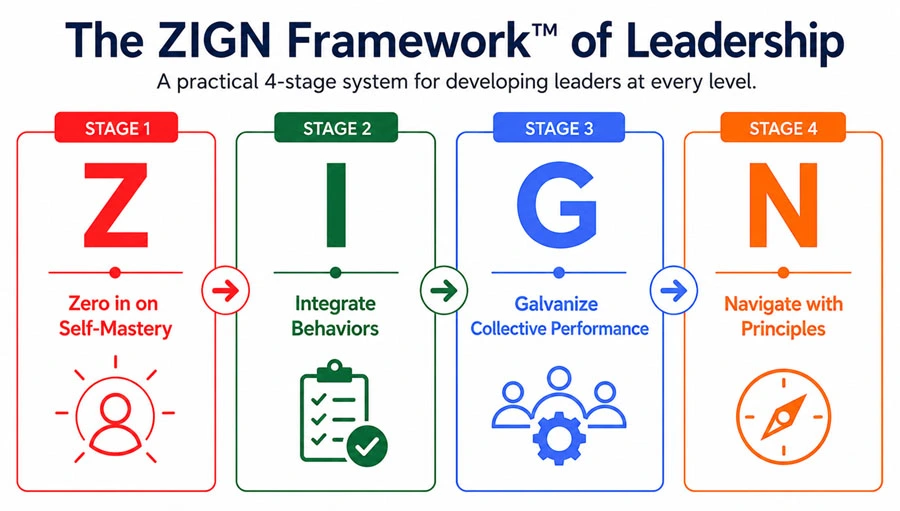
Want to Develop Leaders at Every Level of Your Organization?
If you want a practical system to develop leaders at all levels, get this master guide and apply our proprietary ZIGN Framework™ of Leadership:
Looking for Unique Team Building Activities?
If you want unique activities that help your workforce grow through every stage of team development, get this guide:
Or Want to Strengthen Your Company Culture?
Get 5 unique, fully customizable team building activities every month to strengthen your company culture.
Tips for Successful Facilitation
Effective facilitation is key to unlocking the full potential of team building exercises. A skilled facilitator can make all the difference in creating a productive and engaging experience for the teams.
By following these key tips, you can ensure a successful and impactful session.
Set Clear Objectives
Define the purpose and expected outcomes of the activity to ensure everyone is on the same page. Clearly communicate the objectives to the team before starting the activity.
Create a Safe and Inclusive Environment
Establish a comfortable space where participants feel encouraged to share their thoughts. Ensure everyone is treated with respect, fostering an open and honest dialogue.
Encourage Active Participation
Engage all team members using strategies like think-pair-share or small group discussions. Encourage quiet participants to contribute, while managing dominant personalities.
Be Flexible and Adaptable
Be prepared to adjust the activity to accommodate the team’s energy and needs. Read the room and make adjustments to keep the activity on track.
Debrief Effectively
Allow time for reflection, using open-ended questions to spark discussion. Help participants connect the experience to their work or personal lives, solidifying key takeaways.
Final Words
The above team building activities provide a great starting point for creating meaningful and long-lasting bonds between your employees. In addition to that, they can help develop the necessary soft skills of your employees. So, choose one or two exercises that best fit your organization’s culture and size. All that’s left is to enjoy the experience with your employees!
FAQ: Team Building Activities
You might have these questions in mind.
What makes a good team building activity?
A good team building activity must have a clear purpose and be relevant to your business setting while engaging all the participants. Also, it should leave a positive message that deeply touches each employee’s inner self or develop a key skill that they can apply in their everyday work.
What are the best team building activities for small groups?
Some of the best activities for small groups are Customer Journey Mapping, Marshmallow Challenge, Narrative Nexus, etc.
What are the best team building activities for large groups?
Some of the best activities for large groups are Silent Line-Up, Diversity Poll, Fitness Challenge, etc. That said, you should consider splitting large groups into small teams whenever possible. This will ensure that everyone is actively involved in the exercise.
What are some good team building activities for new employees?
If the employees are fairly new to your organization or to a particular team, it’s important to start with icebreakers or get to know each other activities. Some suitable icebreaker activities for new employees are Questions Circle, Would You Rather, Speed Networking, etc.
What team building activities can you do virtually?
Some of the popular activities you can do virtually are Cultural Appreciation Day, Happy Hour Joke, Power Pose, etc.
Like this article on “50 Awesome Team Building Activities (Workplace)”? Feel free to share your thoughts.
