
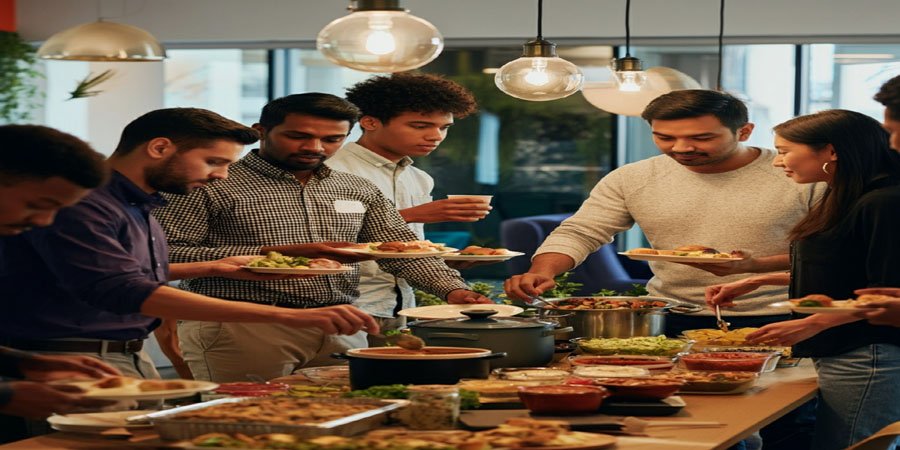
Do you want to conduct the Potluck Activity with your teams?
This collaborative exercise uses the concept of a shared meal to foster teamwork, communication, and appreciation for diversity within a group. It is a simple yet powerful way to bring people together. The activity encourages participants to contribute individually to create a collective success.
In this article, let’s see how you can facilitate this engaging activity, complete with different versions and important follow-up questions.
Here is an overview of the sections in this article:
- Objective of the Activity
- 5 Variations of the Potluck Activity
- Tips for Successful Facilitation
- Frequently Asked Questions About the Exercise
So, let’s get started!
Objective of the Activity
The Potluck activity is designed to be more than just a shared meal; it is a strategic tool for team development. Its primary purpose is to strengthen interpersonal relationships and improve group dynamics through a familiar, low-pressure format.
Here are the key objectives of this exercise.
Fostering Collaboration
The activity requires participants to coordinate their contributions to ensure a balanced and enjoyable collective outcome. This process mirrors workplace projects where individual tasks must align to achieve a common goal. Team members learn to communicate their intentions, negotiate roles, and work together. This builds a foundation for more effective collaboration on professional tasks.
Enhancing Communication
From planning the menu to discussing the dishes during the event, communication is central to the Potluck activity. Participants must clearly express their ideas, listen to others’ suggestions, and provide constructive feedback. This informal setting allows team members to practice their communication skills in a relaxed environment, which can translate to more open dialogue in the workplace.
Celebrating Diversity
A potluck naturally showcases the diverse backgrounds and cultures within a team. Each dish can tell a story about a person’s heritage, family traditions, or personal tastes. This sharing of culture promotes greater understanding and appreciation for the unique experiences each member brings to the group. It helps build a more inclusive atmosphere where differences are valued.
Building Trust and Morale
Sharing food is a universal act of community and trust. The activity creates a positive, non-work-related experience that helps break down barriers and build personal connections. When team members feel more connected on a personal level, their morale improves. This leads to a more supportive and resilient team environment.
Encouraging Individual Contribution
Every person’s dish is a vital part of the whole meal. This structure highlights the importance of individual accountability and contribution to a collective effort. It gives each team member a tangible way to add value, fostering a sense of ownership and pride. This reinforces the idea that every role, no matter how small, is essential for the team’s success.
5 Variations of the Potluck Activity
Here are 5 variations of the Potluck activity you can adapt for your teams.
#1. The Classic Potluck
This is the traditional version where team members bring a dish of their choice to share with the group. The focus is on community, sharing, and enjoying a diverse spread of food together.
Time: You decide
Materials: A sign-up sheet (digital or physical) and a designated space for the food
Participants: 3-8 people per group
Instructions
- Circulate a sign-up sheet where team members can list what type of dish they plan to bring (e.g., appetizer, main course, dessert). This helps ensure a balanced meal.
- Ask each person to prepare a dish at home and bring it to the designated location at the scheduled time.
- Encourage participants to create a small card with the name of their dish and any key ingredients, which is helpful for those with allergies.
- Allow everyone time to sample the different dishes, mingle, and discuss the food. For instance, a team member might share the story behind their grandmother’s recipe.
Debrief
- How did our collection of dishes reflect the diversity of our team?
- What did you learn about a teammate today that you didn’t know before?
- How can we apply the spirit of sharing from this potluck to our daily work?
You can also read:
50 Easy Team Building Activities (Workplace)
#2. Themed Potluck
In this variation, all the dishes must adhere to a specific theme. This adds a creative challenge and encourages participants to think outside the box.
Time: You decide
Materials: A sign-up sheet and decorations related to the theme
Participants: 3-8 people per group
Instructions
- Announce a theme for the potluck. For example, themes could include “A Taste of Italy,” “Breakfast for Lunch,” or “Favorite Movie Foods.”
- Ask participants to sign up with a dish that fits the chosen theme, ensuring a variety of options within the category.
- Have each team member prepare their themed dish and bring it to the event.
- During the meal, ask each person to briefly explain how their dish connects to the theme.
Our Experience While Running This Activity: We found that a theme could be interpreted differently by different participants. Sharing a few examples before people chose their dishes helped clarify expectations while leaving room for creativity.
Debrief
- How did the theme influence your choice of dish?
- What was the most creative interpretation of the theme you saw today?
- How does working within a creative constraint like a theme relate to challenges we face in our projects?
#3. Recipe Swap Potluck
This version combines the shared meal with an exchange of recipes. It allows team members to take a piece of the experience home with them.
Time: You decide
Materials: A sign-up sheet and printed copies of recipes
Participants: 3-8 people per group
Instructions
- Instruct each participant to bring a dish to share and enough printed copies of its recipe for everyone in the team.
- Organize the dishes on a main table for everyone to enjoy.
- Create a separate station where the printed recipes are displayed next to their corresponding dish.
- Encourage team members to collect the recipes for the dishes they particularly enjoyed. For instance, someone who loved the spicy chili can grab the recipe to make it later.
Debrief
- Which recipe are you most excited to try making yourself?
- How does sharing a recipe feel different from just sharing food?
- What is something we can “share” at work that would help everyone, similar to these recipes?
#4. Mystery Ingredient Potluck
This variation adds an element of surprise and creativity by assigning a “mystery ingredient” that must be included in each dish. It tests adaptability and problem-solving skills.
Time: You decide
Materials: A list of mystery ingredients and a sign-up sheet
Participants: 3-8 people per group
Instructions
- A week before the event, assign a common, versatile mystery ingredient to everyone. For example, the ingredient could be something like apples, carrots, or rice.
- Ask each participant to create a dish—sweet or savory—that incorporates the mystery ingredient in a significant way.
- Have everyone bring their creation to the potluck.
- As people eat, ask them to guess how the mystery ingredient was used in each dish before the creator reveals their secret.
A Small Adjustment We Made While Running This Activity: We found that a mystery ingredient could create unnecessary difficulty if participants were unsure how to use it. Choosing a versatile ingredient and communicating any dietary requirements in advance helped make the challenge more manageable.
Debrief
- What was the most surprising use of the mystery ingredient you saw?
- How did having to use a specific ingredient challenge your creativity?
- When have we had to be creative with limited resources in our work?
#5. No-Cook Potluck
This version is perfect for teams without access to a kitchen or for those with limited time. The rule is that all dishes must be “no-cook” items.
Time: You decide
Materials: A sign-up sheet
Participants: 3-8 people per group
Instructions
- Explain the “no-cook” rule: all dishes must be store-bought or assembled without any cooking or heating.
- Ask participants to sign up for a category (e.g., salad, cheese platter, dessert) to ensure variety.
- Have each person bring their no-cook item to the gathering. For instance, contributions could include a fruit platter, a charcuterie board, or a gourmet dip with crackers.
- Set up the food and allow the team to enjoy the simple yet delicious meal together.
Debrief
- How did the “no-cook” constraint affect the planning for this potluck?
- What did this activity show about achieving a great outcome with simple resources?
- What is a simple, “no-cook” way we could improve our team’s daily interactions?
Want to Develop Leaders at Every Level of Your Organization?
If you want a practical system to develop leaders at all levels, get this master guide and apply our proprietary ZIGN Framework™ of Leadership:
Looking for Unique Team Building Activities?
If you want unique activities that help your workforce grow through every stage of team development, get this guide:
Need Fresh Team Building Activities Every Month?
If you are a busy leader, get 5 unique, fully customizable activities every month—no preparation or trainer required.
Tips for Successful Facilitation
A well-facilitated Potluck activity can significantly enhance team cohesion and morale. Your role as a facilitator is to create an environment where everyone feels comfortable, included, and valued.
Here are some tips to ensure your event is a success.
Plan for Dietary Needs
Be proactive about addressing dietary restrictions and allergies. When you send out the initial invitation, include a section where participants can confidentially share any dietary needs, such as gluten-free, vegetarian, or allergies to nuts. Use this information to guide the team during the sign-up process. Encouraging dish labels with ingredient lists is a simple but effective way to ensure everyone can eat safely and confidently.
Encourage Participation, Don’t Force It
Participation should always be voluntary. Frame the potluck as a fun, low-pressure opportunity for the team to connect. Some individuals may be unable to bring a dish due to time constraints or other personal reasons. Offer alternative ways for them to contribute, such as helping with setup, organizing supplies like plates and napkins, or planning a simple game to play during the event. This ensures everyone can be a part of the experience without feeling pressured.
Set Clear Expectations
Avoid confusion by communicating the details clearly from the start. Your instructions should cover the date, time, location, and any specific rules for the chosen variation (like a theme or mystery ingredient). A shared digital sign-up sheet is an excellent tool for coordination, as it allows everyone to see what others are bringing. This prevents having ten desserts and no main courses. Sending a reminder email a day or two before the event is also a good practice.
Lead the Conversation
As a facilitator, your role includes sparking conversation and ensuring everyone is included. Don’t let the event become a series of small, separate conversations. You can start by asking each person to share a brief story about their dish. For example, “What’s the story behind this recipe?” or “Why did you choose to make this dish?” These open-ended questions can lead to more meaningful interactions and help team members learn more about one another on a personal level.
Facilitate a Meaningful Debrief
The debrief session is what turns a simple meal into a powerful team-building activity. After everyone has had a chance to eat, gather the group to reflect on the experience. Use the debrief questions provided with each variation to guide the discussion. Focus on connecting the activity back to workplace dynamics. Ask questions that encourage reflection on collaboration, diversity, and communication. This final step helps solidify the learnings and ensures the positive effects of the activity extend beyond the event itself.
Final Words
The Potluck activity is a wonderfully simple way to build stronger teams. It uses the universal language of food to foster collaboration, celebrate diversity, and improve communication. By bringing individual contributions together, you create a shared experience that strengthens bonds. This exercise reminds us that every person’s effort is valuable to the group’s success. Use it to bring a sense of community and connection to your workplace.
FAQ: Potluck Activity
You might have these questions in mind.
How do we handle food allergies and dietary restrictions?
Address dietary needs from the beginning. When you announce the potluck, ask participants to privately share any allergies or restrictions with you. Encourage everyone to bring a small card listing the main ingredients in their dish. This simple step helps ensure everyone can participate safely.
What if some team members don’t want to cook?
Participation should be inclusive, not exclusive. Offer alternatives for those who cannot or prefer not to cook. They could contribute by bringing drinks, plates, napkins, or store-bought items. The goal is contribution and participation, not a cooking competition.
How can this activity be adapted for remote teams?
For virtual teams, you can host a “Virtual Potluck.” Each team member can share a recipe for their favorite dish in a shared document beforehand. During a video call, everyone can eat a meal they prepared (or ordered) and take turns sharing stories about their food choice.
What is the ideal group size for this activity?
This activity is highly scalable. It works well with a small team of 3-8 people or a larger department. For larger groups, you may want to divide them into smaller “potluck pods” to encourage more intimate conversations. This ensures everyone gets a chance to interact.
How do we ensure there’s enough variety of food?
A digital sign-up sheet is the best way to coordinate dishes. Create columns for categories like appetizers, main courses, side dishes, and desserts. As team members sign up, they can see what others are bringing and fill in the gaps to ensure a balanced meal.
Like this article on the “Potluck Activity for Teams”? Feel free to share your thoughts.
