
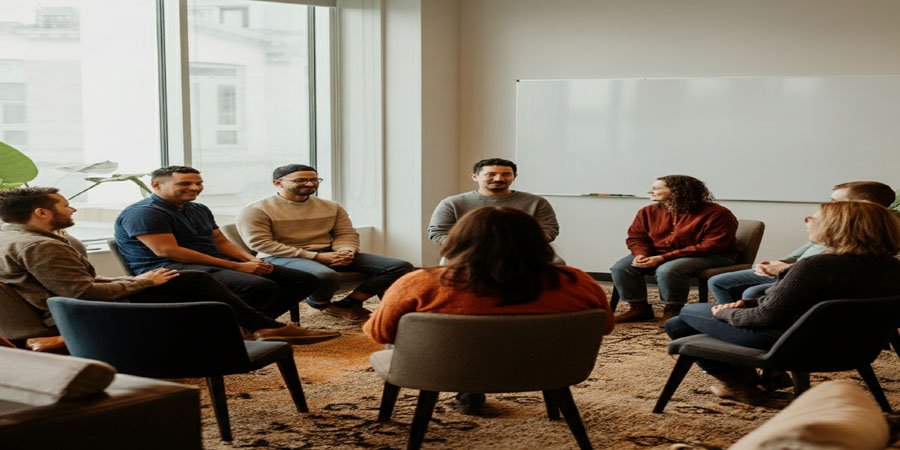
Do you want to conduct the Gratitude Circle Activity with your teams?
Psychological research shows that expressing appreciation significantly boosts workplace morale while reducing stress. The Gratitude Circle relies on positive psychology principles to shift focus from daily problems to shared successes. This shift helps team members feel valued for their specific contributions rather than just their output. By creating a structured space for recognition, you build psychological safety. This foundation allows employees to be vulnerable without fear of judgment.
In this article, let’s see how this simple yet powerful exercise can transform your team dynamics through structured appreciation.
Here is an overview of the sections in this article:
- The key objectives of running this activity
- Five distinct variations of the gratitude circle exercise
- Essential tips for successful facilitation
- Frequently asked questions about the exercise
So, let’s get started!
Objective of the Activity
The primary goal of the Gratitude Circle Activity is to foster a culture of open appreciation within a professional setting. By setting aside dedicated time for recognition, you signal to your team that their interpersonal efforts matter just as much as their technical results.
Here are the key objectives you can achieve through this exercise.
Enhancing Psychological Safety
Psychological safety is the belief that one will not be punished for making a mistake. This activity contributes to that safety by normalizing positive feedback. When team members hear colleagues speak kindly about them, they feel more secure in their standing within the group. It lowers their defensive barriers. Consequently, they become more willing to share ideas or admit faults later on.
Boosting Individual Morale
Employees often feel that their hard work goes unnoticed by peers. This activity directly counters that feeling by ensuring everyone receives specific validation. When a person hears exactly how they helped someone else, their sense of self-worth increases. Higher morale leads to better engagement with daily tasks. It also reduces the likelihood of burnout during high-stress periods.
Strengthening Interpersonal Relationships
Work relationships often stay transactional without intervention. The Gratitude Circle forces interactions that are personal and emotional. By acknowledging specific traits or actions, colleagues see each other as human beings rather than just resources. This builds deeper bonds between team members. Stronger bonds lead to better collaboration during complex projects.
Improving Communication Skills
Giving meaningful feedback is a skill that requires practice. This activity trains participants to articulate their thoughts clearly. They must explain why they are grateful, not just that they are grateful. This practice helps them communicate more effectively in other areas. Over time, the team becomes better at expressing needs plus appreciation.
Fostering a Positive Team Culture
Culture is defined by the behaviors you tolerate plus the behaviors you celebrate. Regularly practicing gratitude embeds positivity into the team’s DNA. It shifts the collective mindset from complaining to appreciating. A positive culture attracts better talent. It also retains top performers for longer periods.
5 Variations of the Gratitude Circle Activity
Here are 5 variations of the Gratitude Circle Activity designed to keep the experience fresh and engaging for your teams.
#1. The Classic Gratitude Circle
This version serves as the foundational method where participants sit in a circle to share verbal appreciation directly. It requires no props, making it the most accessible option for impromptu meetings or quick morale boosters.
Time: 10-20 minutes
Materials: None
Participants: 3-8 people per group
Instructions
- Ask the team to form a circle so everyone can make eye contact.
- Instruct one person to start by looking at a colleague to their left to express gratitude for a specific action.
- Encourage the speaker to describe the impact of that action clearly. For example, “I appreciate how you stayed late to help me fix the code bugs yesterday.”
- Continue the process clockwise until everyone has given specific praise to a peer.
Debrief
- How did it feel to receive specific appreciation from your colleague publicly?
- What was challenging about vocalizing your gratitude in front of the group?
- How does this exercise change your perspective on your teammates’ contributions?
You can also read:
50 Easy Team Building Activities (Workplace)
#2. The Appreciation Hot Seat
This variation focuses intense positive attention on one person at a time to maximize the impact of the praise. It works exceptionally well for celebrating work anniversaries, birthdays, or the completion of a major individual project.
Time: 10-20 minutes
Materials: A sturdy chair
Participants: 3-8 people per group
Instructions
- Place a chair in the center of the room facing the other participants.
- Select one team member to sit in the “Hot Seat” for two minutes.
- Ask the remaining team members to volunteer random statements of gratitude directed at the person in the chair. For instance, “I value your patience during our client calls.”
- Rotate the person in the center until every team member has had a turn.
Our Experience While Running This Activity: We found that appreciation felt more genuine when people referred to a specific action rather than using broad compliments. Asking contributors to explain the impact of that action made the recognition more meaningful.
Debrief
- Which comment surprised you the most while you were in the center?
- How did the energy in the room shift during this activity?
- Why might we find it difficult to accept focused praise without deflecting it?
#3. Written Gratitude Cards
This tactile variation allows participants to keep a physical reminder of the appreciation they receive from their team. It provides a lasting artifact that employees can look at during tough days to boost their spirits.
Time: 10-20 minutes
Materials: Index cards, and pens
Participants: 3-8 people per group
Instructions
- Distribute an index card plus a pen to every participant.
- Ask each team member to write their name on the top of the card before passing it to the right.
- Instruct participants to write one sentence of gratitude on the received card regarding the person named on it. For example, “Your positive attitude in morning meetings helps us start the day right.”
- Continue passing the cards until the owner receives their original card back filled with messages.
Debrief
- What specific phrase written on your card resonated with you the most?
- How does seeing these words in writing differ from hearing them spoken aloud?
- How can we preserve these positive sentiments in our daily workflow?
#4. The Virtual Gratitude Wave
This adaptation ensures remote teams can experience the same connection as in-person groups through video conferencing tools. It utilizes the “spotlight” features of modern software to mimic the focus of a physical circle.
Time: 10-20 minutes
Materials: Video conferencing software
Participants: 3-8 people per group
Instructions
- Ask all team members to switch to “Gallery View” so they can see everyone simultaneously.
- Designate an order based on the alphabetical list of names in the participant sidebar.
- Request the first person to “pass the mic” to another person by naming them plus stating a reason for gratitude. For instance, “I pass to Sarah because she organized our folders so perfectly.”
- Ensure everyone speaks once before ending the call or moving to the next agenda item.
What We Learned While Running This Activity: We found that virtual appreciation could feel rushed when several people tried to speak at once. Inviting participants one at a time and giving them a moment to explain their appreciation helped everyone feel heard.
Debrief
- How did this virtual connection compare to our usual remote meetings?
- What barriers did you feel while expressing emotion over a screen?
- How can we integrate this habit into our regular digital communication channels?
#5. Gratitude Object Pass
This kinetic variation introduces a physical object to manage the flow of conversation plus add a playful element. Using a soft ball or fun prop helps reduce the tension often associated with public speaking.
Time: 10-20 minutes
Materials: A soft object like a ball
Participants: 3-8 people per group
Instructions
- Ask the team to stand in a loose circle with enough space between them.
- Hand a soft object to a volunteer who must toss it to another person.
- Instruct the person catching the object to say thank you to the thrower for a specific work-related trait. For example, “Thank you for your incredible attention to detail on the budget report.”
- Continue tossing the object across the circle until everyone has caught it at least once.
Debrief
- How did the physical act of catching the object affect your focus?
- Did the game element make it easier to share your thoughts? If so, why?
- What did you notice about the team’s body language during the tosses?
Want to Develop Leaders at Every Level of Your Organization?
If you want a practical system to develop leaders at all levels, get this master guide and apply our proprietary ZIGN Framework™ of Leadership:
Looking for Unique Team Building Activities?
If you want unique activities that help your workforce grow through every stage of team development, get this guide:
Need Fresh Team Building Activities Every Month?
If you are a busy leader, get 5 unique, fully customizable activities every month—no preparation or trainer required.
Tips for Successful Facilitation
Facilitating an emotional activity requires sensitivity plus strong leadership skills. If you manage the room poorly, the activity may feel forced or awkward.
Here are some tips to ensure your Gratitude Circle Activity runs smoothly.
Create a Safe Environment
You must ensure the physical or digital space feels private. Do not conduct this activity in a busy hallway where people walk by constantly. External noise distracts participants from the emotional weight of the moment. Make sure everyone puts away their phones. Undivided attention is the first form of gratitude you can offer. If people feel observed by outsiders, they will clam up. They might give generic answers to finish quickly.
Lead by Example
The facilitator sets the depth for the entire session. If you give a superficial compliment, the team will follow suit. You should offer the first gratitude statement. Make it specific, heartfelt, and detailed. Show vulnerability in your delivery. This permission structure allows others to lower their guards. If the leader takes it seriously, the team will respect the process.
Manage Time Effectively
Emotions can sometimes cause meetings to run over schedule. You must keep an eye on the clock without rushing the sentiment. Set clear time limits for each speaker if the group is large. Use gentle nudges to move the conversation forward if someone rambles. However, do not cut someone off abruptly while they are being vulnerable. Balance is key here. You want efficiency without sacrificing sincerity.
Encourage Specificity
Generic praise like “good job” has very little impact. You must coach participants to be granular with their feedback. Before the activity starts, explain the difference between generic praise versus specific appreciation. Ask them to mention a specific time, task, or behavior. Specificity proves that the person was truly paying attention. It validates the recipient’s hard work authentically.
Handle Resistance Gracefully
Some team members may feel uncomfortable with public displays of emotion. You should not force anyone to speak if they are visibly distressed. Allow them to say “pass” if necessary. Alternatively, let them write their thoughts down instead of speaking. Respecting their boundaries builds trust. Over time, they may feel safe enough to participate fully. Never shame anyone for their reluctance.
Final Words
The Gratitude Circle is more than just a feel-good team building game. It is a strategic tool for building a resilient, connected workforce. By implementing these variations, you keep the practice sustainable over the long term. Consistently applied appreciation transforms how your team handles challenges together. Start small, be consistent, and watch your team culture flourish.
FAQ: Gratitude Circle Activity
You might have these questions in mind.
Can this activity be done with remote teams?
Yes, this activity adapts perfectly to virtual environments. You can use video conferencing tools like Zoom or Microsoft Teams. The “Virtual Gratitude Wave” variation described above is specifically designed for this purpose. Just ensure cameras are on to maintain a human connection.
How often should we conduct a Gratitude Circle?
Frequency depends on your team’s workflow plus their current morale levels. A weekly session works well for agile teams doing retrospectives. Monthly sessions might be better for departments that do not collaborate daily. Too frequent sessions might dilute the impact.
What if a team member refuses to participate?
Resistance usually stems from discomfort rather than hostility. You should respect their choice to observe without forcing them to speak. Often, seeing others participate safely will encourage them to join next time. Never make participation mandatory for emotional exercises.
Is this activity suitable for very large groups?
The classic circle works best with groups under ten people. For larger departments, you should break them into smaller sub-groups. This ensures everyone gets a chance to speak within a reasonable timeframe. Intimacy is required for the feedback to feel genuine.
Do we need to prepare materials beforehand?
Most variations require zero preparation or materials. The “Written Gratitude Cards” variation is the only one needing supplies like pens or paper. This low barrier to entry makes it an excellent choice for spontaneous meetings. You can literally start it at any moment.
Like this article on the “Gratitude Circle Activity”? Feel free to share your thoughts.
